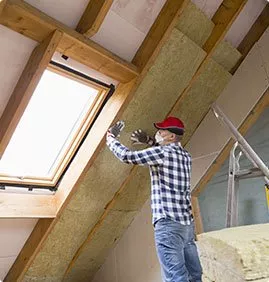
For over 30 years, Installed Building Products of Miami has provided exceptional attic insulation services to South Florida residents and businesses.
As a trusted attic insulation contractor, we work with homeowners and new home builders to ensure that every Miami-Dade, Broward, and Monroe county home has the best attic insulation to keep it comfortable throughout the year. Our team offers free estimates and competitive pricing for each customer.
To schedule your attic insulation in Miami contact us today.
Do I Need to Replace My Attic Insulation?
Without proper attic insulation, you can lose money on energy bills and not be as comfortable as you want your home to be. Attic insulation helps keep cool air inside the home rather than allowing it to escape through the roof. With hot and humid temperatures, Miami homes need well-maintained attic insulation to help save money and stay cool.
 Call 305-593-8980
  Schedule Service
 Signs of Old or Inefficient Attic Insulation
Attic insulation can degrade or become damaged over time, so monitoring it over the years is important. Some signs you need to replace your attic insulation include:
- Settled insulation
- Higher utility bills
- Moisture damage from leaks or humidity
- Pest damage
- Mold
- Critter damage and nests
With outdated insulation, you risk poor energy efficiency, higher utility bills, and inconsistent indoor temperatures. Replacing old attic insulation can ease these risks.
Attic Insulation Installation Process
When you schedule an attic insulation installation with IBP of Miami, our technicians will assess the current state of your existing insulation. We’ll then determine whether we can retrofit new insulation over the old or if a tear-out is necessary.
We’ll help you select the right insulation for your attic, likely fiberglass batting, and then measure and prepare the insulation for installation. Depending on the size and accessibility of your attic, the typical installation time takes a few hours to a day. However, unforeseen problems may occur that can cause the process to take longer.
Once the installation is complete, you’ll see how the updated insulation benefits your comfort and wallet. As your home’s HVAC adjusts to your preferred temperature, you’ll notice that your home is much more comfortable. Over time, your utility bills should lower, and your indoor air quality will improve.
How Much Insulation Does My Attic Need?
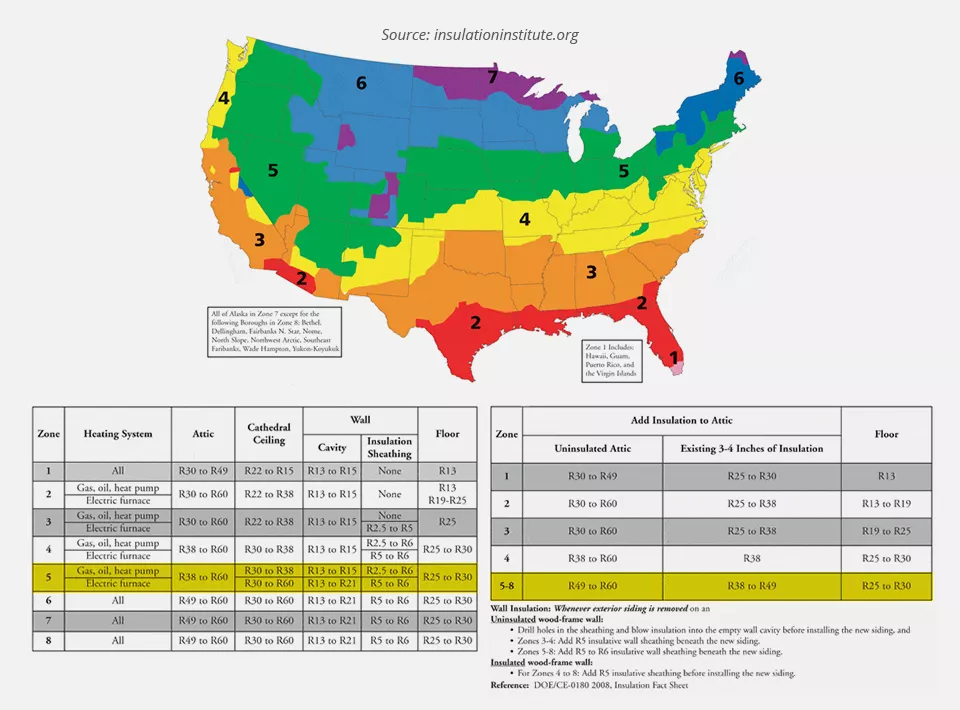
The amount of insulation your home needs depends on your region’s R-value. The R-value is a rating that measures how well insulation resists heat flow. R-value is important because it helps limit energy leaks and keeps your home more comfortable year-round.
Here in Miami, we’re in Zone 1, which means we need R-30 to R-49 for uninsulated attics and R-25 to R-30 for attics that already have some insulation installed. Other factors that affect R-value include your attic size and energy efficiency goals. Your local insulation contractor can help you determine how much insulation your home will need.
Contact us today for more information or to schedule services.
Florida Heat, Humidity, and Your Attic
South Florida’s climate puts unique demands on a home’s attic. Year-round heat and high humidity cause attic temperatures to climb well above outdoor temperatures, forcing your air conditioner to work harder and putting stress on your HVAC system. Humidity can also seep into poorly insulated attics, leading to moisture buildup, mold growth, and long-term damage to your roof deck and framing. A properly installed insulation system helps regulate attic temperature and manage moisture, protecting both your comfort and your home’s structure.
Energy Savings from Proper Attic Insulation
Attic insulation is one of the most effective ways to lower energy bills in a Miami home. When your attic is under-insulated, conditioned air escapes and outdoor heat transfers indoors, causing your HVAC system to run longer and less efficiently. Upgrading to the correct R-value for South Florida’s climate can meaningfully reduce monthly cooling costs while improving comfort throughout the home.
Insulation Upgrades for Older Miami Area Homes
Many homes throughout Miami-Dade, Broward, and Monroe counties were built decades ago with insulation that no longer meets today’s energy efficiency standards. Older homes often have settled, damaged, or missing insulation, which can drive up utility bills and create inconsistent indoor temperatures. Upgrading attic insulation in an older home is one of the most cost-effective renovations available, often paying for itself through reduced energy costs over time.
Frequently Asked Questions About Attic Insulation in Miami
How much insulation do I need in my attic?
Miami falls within Zone 1, which means uninsulated attics typically need an R-value between R-30 and R-49, while attics with some existing insulation generally need R-25 to R-30. The right amount depends on your home’s current insulation levels and construction, so a professional assessment is the best way to determine your exact needs.
Is attic insulation worth it in South Florida?
Yes. Given Miami’s heat and humidity, attic insulation plays a major role in reducing HVAC strain, lowering energy bills, and preventing moisture-related issues like mold. Most homeowners see a noticeable difference in comfort and monthly utility costs after upgrading to properly rated insulation.
What type of attic insulation works best in Florida?
Fiberglass batting is commonly used and cost-effective for Florida attics, while spray foam offers superior air sealing and moisture resistance in humid climates. The best option depends on your attic’s structure, budget, and specific moisture or ventilation concerns — our team can recommend the right fit during a free estimate.
How can we install attic insulation over existing insulation?
Many insulation products can be installed directly over your existing attic insulation if it’s in good condition.
Spray foam insulation, for example, can almost always go over anything that already exists. Any gaps will be filled during the process, and the whole space will be sealed tight when the process is complete and the foam has expanded.
Other materials, like fiberglass batts or blown insulation, might also be installed over existing insulation as long as there’s sufficient space for the added material.
When should I replace my attic insulation?
Your attic insulation should be replaced if you notice any sign of significant air leaks from the attic. In colder climates, this gets more obvious in winter because of how snow melts from a leaking attic, but in Florida’s heat, you’ll need to look for subtler signs:
- See how hot your ceiling feels in rooms adjacent to your attic.
- Take note of hot drafts on the top floor of your home.
- Check if there are any obvious gaps or flaws in your insulation.
Water damage is less subtle and requires a full replacement — you can’t repair or cover up moldy insulation.